okjl Probability in Casino Games
Understanding Probability in Casino Games with okjl
Welcome to the exciting world of online casino gaming, where every spin, every deal, and every roll of the dice holds an element of chance. At the heart of this thrilling experience lies probability – the mathematical framework that dictates the likelihood of certain outcomes. For players in the Philippines looking for a premier mobile-first gaming experience, understanding probability is key to making informed decisions and enhancing your enjoyment. With okjl, you're not just playing; you're engaging with a system built on these very principles. This article will delve into what probability means in the context of casino games, how it influences your gameplay, and how you can leverage this knowledge to navigate the diverse offerings, from classic casino games to live dealer experiences, sports betting, and more. Whether you're a seasoned player or new to the scene, grasping these concepts will undoubtedly enrich your online gaming journey with okjl.
Table of Contents
- What is Probability in Casino Games?
- How Probability Works in Popular Casino Games
- The House Edge and Return to Player (RTP) Explained
- Strategies to Leverage Probability in Your Gameplay
- Probability in the Mobile-First Online Casino Experience
- Promo Offers and Probability: Maximizing Your Chances
What is Probability in Casino Games?
Probability, in its simplest form, is the measure of the likelihood that an event will occur. In the realm of casino games, it quantifies the chances of winning or losing on any given bet. It's expressed as a number between 0 and 1, where 0 indicates an impossibility and 1 indicates certainty. For instance, if you flip a fair coin, the probability of it landing on heads is 0.5 (or 50%), as there are two equally likely outcomes. In casino games, these probabilities are often more complex, influenced by the rules of the game, the number of possible outcomes, and the specific bets you place.
Understanding probability is fundamental because it demystifies the seemingly random nature of games. It allows players to comprehend why some bets offer higher payouts but occur less frequently, while others offer smaller payouts but have a higher chance of success. It's not about predicting the future with certainty, but rather about understanding the underlying mathematical fairness (or unfairness, from a player's perspective) of each game. This knowledge empowers players to make more strategic choices, manage their bankroll effectively, and play responsibly. Whether you're spinning the reels on a slot machine or betting on red or black in roulette, probability is the silent force at play.
How Probability Works in Popular Casino Games
Let's explore how probability manifests in some of the most popular casino games available on platforms like okjl:
Slots
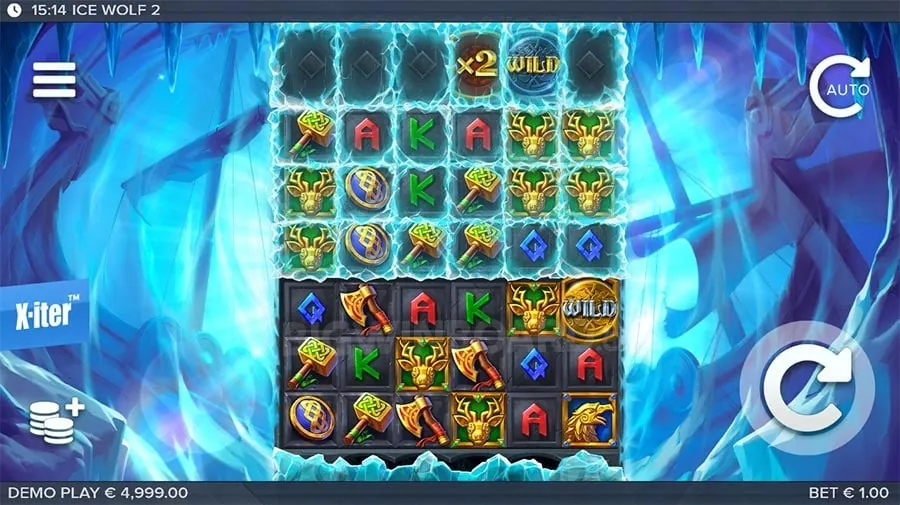
Slot machines operate on Random Number Generators (RNGs). While each spin is independent, the probability of hitting a specific combination is predetermined by the game's design. This includes the likelihood of triggering bonus rounds or landing jackpot symbols. The probability of winning a jackpot is typically very low, which is why jackpots are so large, while smaller wins occur more frequently.
Roulette
Roulette is a classic example of probability in action. A European roulette wheel has 37 pockets (1-36 plus a single 0), while an American wheel has 38 (1-36 plus a single 0 and a double 0). The probability of hitting a single number on a European wheel is 1/37. For simpler bets like red/black or odd/even, the probability is roughly 18/37 (just under 50%), as the green 0 pocket skews the odds slightly in favor of the house.
Blackjack
Blackjack involves more dynamic probability calculations because the cards already dealt affect the probabilities of future cards. The basic strategy in blackjack is derived from probability, telling players the statistically best move to make (hit, stand, double down, split) based on their hand and the dealer's upcard. The goal is to maximize the probability of winning each hand.
Poker
In poker, probability is crucial for calculating pot odds, implied odds, and the likelihood of hitting certain cards (outs) to improve your hand. Players constantly assess the probability of their hand being the best, the probability of drawing a winning card, and the probability of their opponents having stronger hands. This makes poker a game of skill heavily informed by probability.
Sports Betting
Sports betting involves odds that reflect the implied probability of an event occurring. A low odds value means a higher probability (and lower payout), while high odds indicate a lower probability (and higher payout). Bookmakers set these odds based on statistical analysis, team performance, injuries, and other factors, all of which are essentially probability assessments.
The House Edge and Return to Player (RTP) Explained
Two critical concepts directly related to probability in casino games are the House Edge and Return to Player (RTP). Understanding these will give you a clearer picture of your long-term prospects.
House Edge
The house edge is the built-in advantage that the casino has over the player in any given game. It's expressed as a percentage of the player's initial bet and represents the average gross profit the casino expects to make from each wager over the long run. For example, if a game has a 2% house edge, the casino expects to keep 2 cents for every dollar wagered on that game. This edge is what ensures the casino's profitability and sustainability. It's calculated directly from the probabilities of winning and losing in a game, adjusted for the payouts offered.
Return to Player (RTP)
RTP is the inverse of the house edge, typically used for slot machines and other fixed-odds games. It represents the percentage of all wagered money that a slot machine or game will pay back to players over time. For instance, a slot game with a 96% RTP means that, on average, for every ₱100 wagered, the game is programmed to pay back ₱96 to players, keeping ₱4 as the house's profit (which corresponds to a 4% house edge). Higher RTP percentages are generally more favorable for players, as they indicate a smaller house advantage.
It's important to remember that both house edge and RTP are theoretical long-term averages. In the short term, anything can happen due to the random nature of games. However, over thousands or millions of plays, the actual returns will converge to these theoretical percentages. When choosing games on okjl, looking for games with a lower house edge or higher RTP can be a strategic move to potentially extend your playtime and improve your chances of winning.
Strategies to Leverage Probability in Your Gameplay
While probability dictates the inherent odds of casino games, players can employ certain strategies to make more informed decisions and potentially improve their outcomes. Here's how:
1. Choose Games Wisely
Not all casino games are created equal in terms of probability. Games like blackjack (when played with basic strategy) and video poker often have some of the lowest house edges, meaning better odds for the player. Conversely, games like Keno or some slot machines might have higher house edges. Familiarize yourself with the RTP of slot games and choose those with a higher percentage. On okjl, you'll find a wide array of games; take time to research their inherent probabilities.
2. Understand Basic Strategy (Blackjack, Video Poker)
For games like blackjack and video poker, there are mathematically proven